How to Build a Stable Turtle Basking Dock
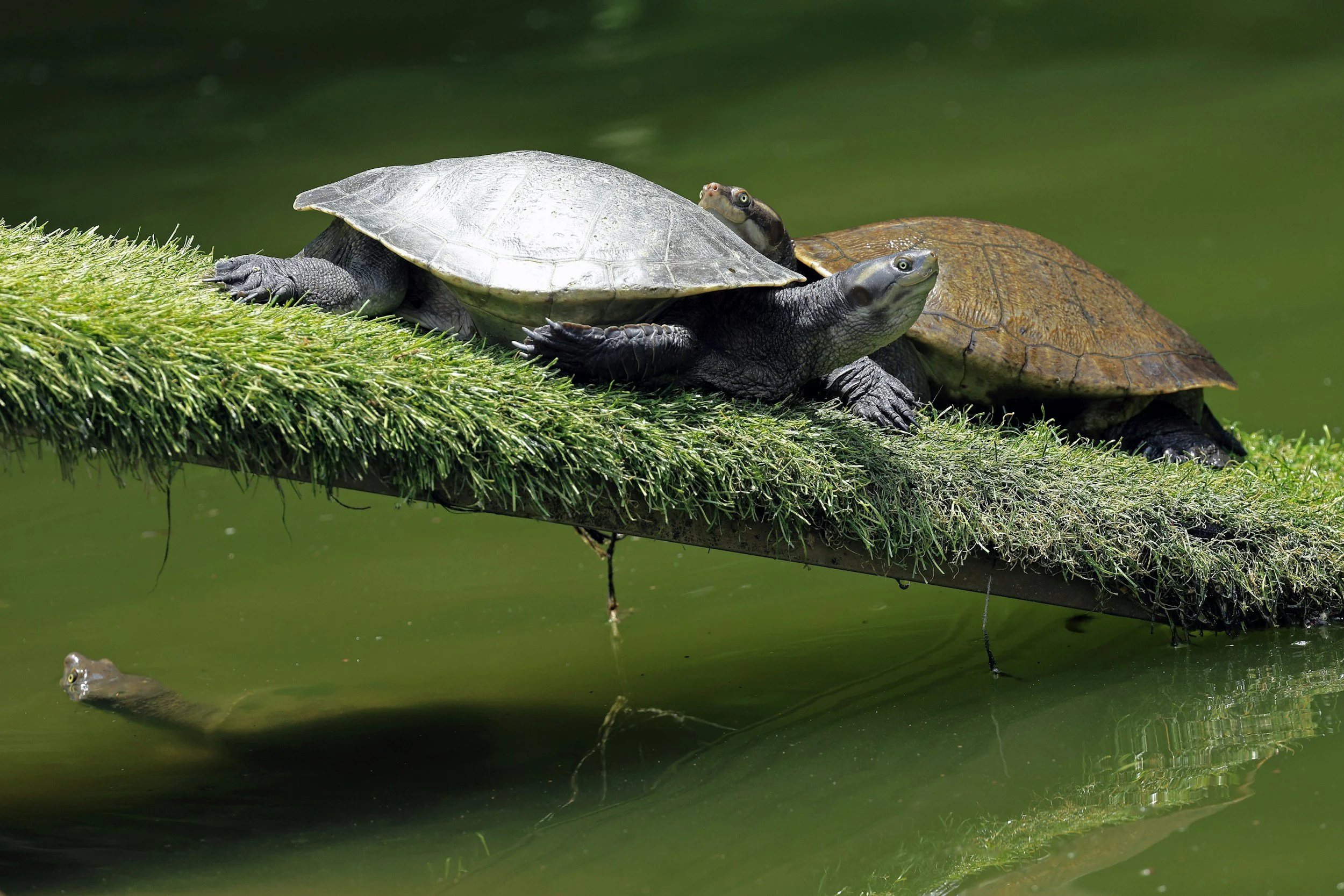
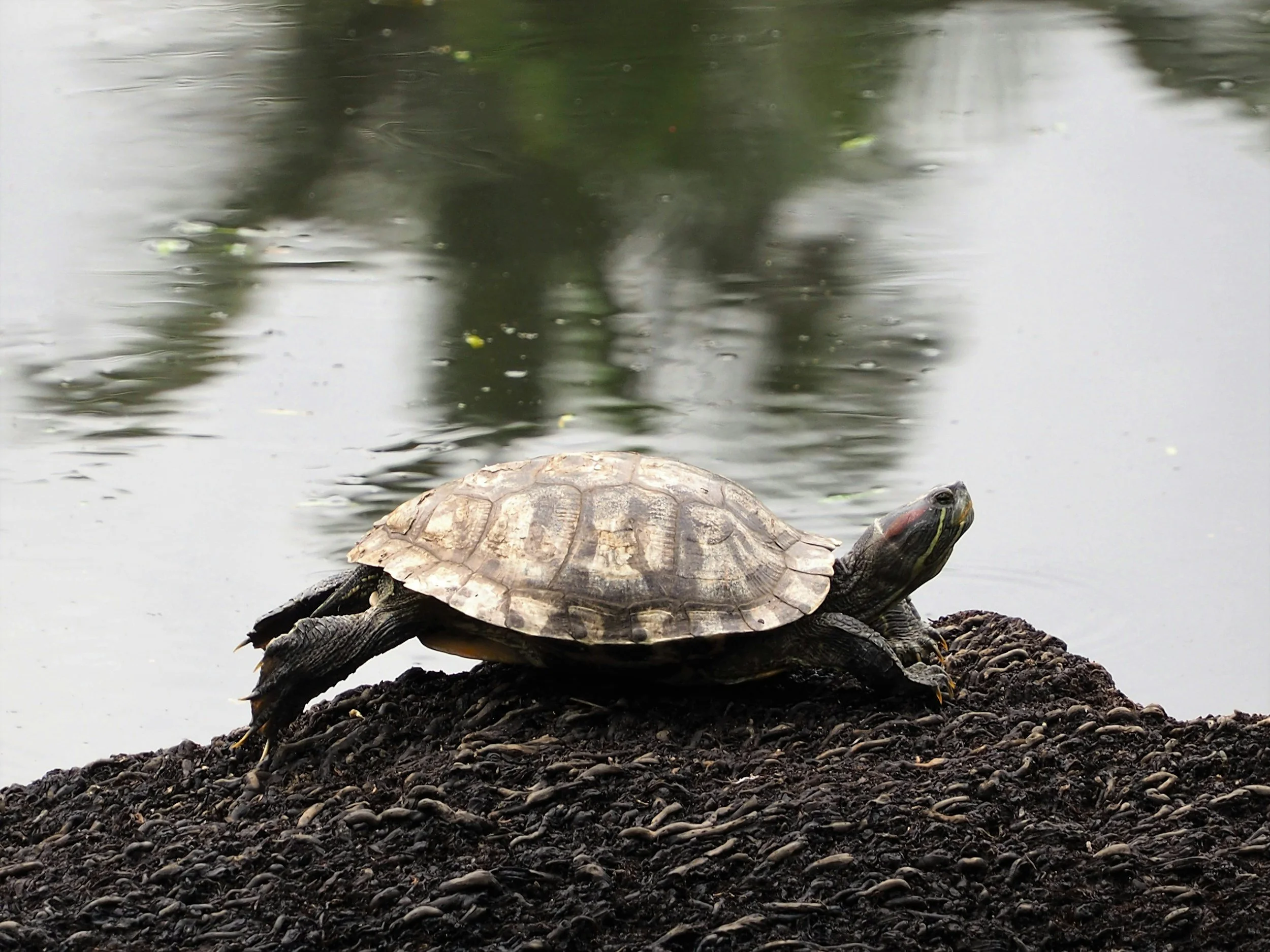
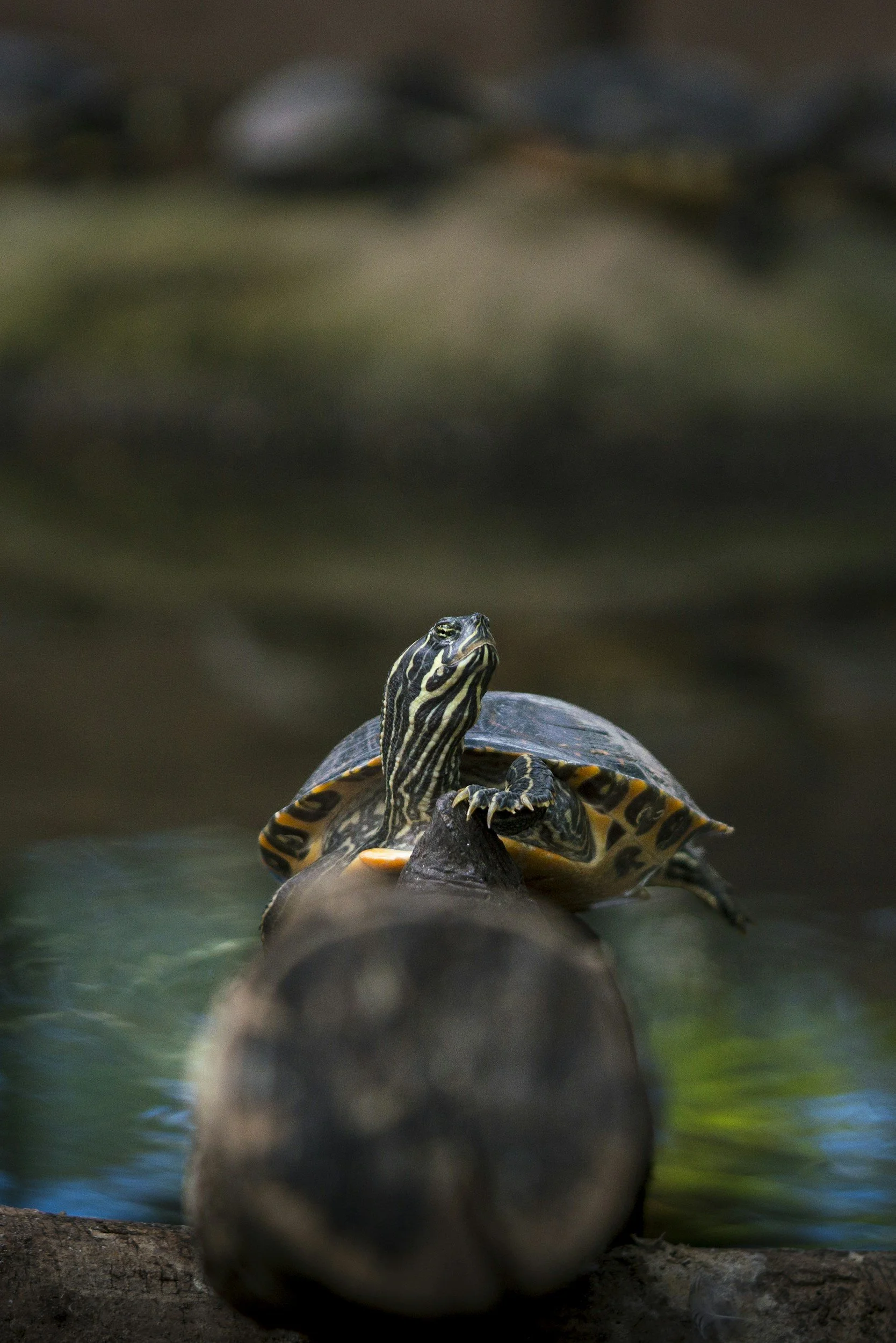
A good dock lets the turtle leave the water completely, bask under heat + UVB, and cannot shift, sink, or tip.
1) What “good” looks like
- Full dry-out: the entire plastron dries under heat + UVB.
- Sized right: platform supports full body and turning room; target a dry zone ≈ 15–25% of tank surface area.
- Stable: cannot wobble, lift, or slide when pushed; load-tested to at least 2× turtle weight.
- Easy access: textured, gently sloped ramp from the waterline.
2) Pick a dock style
- Above-tank topper (rim-mounted): best for stability and water depth.
- Fixed in-tank shelf: PVC frame or stone ledge mechanically locked to glass.
- Floating dock: only if buoyancy and anti-slam guides are engineered well.
3) Materials
- Deck: 1/2″ PVC sheet (expanded PVC) or sealed hardwood/flat stone
- Ramp: same material + non-slip (cork mat, silicone-set aquarium gravel, or textured rubber)
- Supports: 3/4″ PVC pipe + tees/elbows, or stainless L-brackets with nylon hardware
- Fasteners/sealant: stainless screws, 100% aquarium-safe silicone for pads
- Heat lamp + UVB fixture; digital thermometer/IR temp gun
4) Build (above-tank topper example)
- Cut the deck: span the inside tank width so it rests on the rim; add a 1–2″ front rail to deter escapes.
- Add the ramp: 10–14″ long for most juveniles/sub-adults; rough the surface and bond non-slip. Hinge or screw to deck so the lower end sits 2–3″ below the waterline.
- Support & lock-down: rear legs (PVC) land on silicone pads; zip-tie/screw to rim brackets so it cannot slide.
- Mount fixtures: center heat + UVB directly over the basking spot (not the ramp). Adjust to achieve 90–95 °F (32–35 °C) at shell height and set UVB distance per bulb spec.
- Load test: push, shake, and place weights ≈ 2× turtle mass. No flexing or movement.
5) If you must float it
- Buoyancy: designed displacement > 2× turtle mass (e.g., 1.5 kg turtle → ≥3 L water displaced).
- Use closed-cell foam sealed in a rigid tray; add guide rails or a rear tether so it cannot slam the glass.
- Keep ramp long; meet the waterline with textured surface.
6) Ramp & traction checklist
- Slope: shallow, continuous texture—no slick sections.
- Depth: lower end well below surface so the turtle can start the climb underwater.
- Width: at least shell width + 1–2″; round all edges.
7) Lamp placement & targets
- Basking surface: 90–95 °F (32–35 °C) measured at shell height.
- UVB: lamp distance per bulb spec; place side-by-side with heat over the same basking spot.
- Water depth: keep waterline high for strong swimming and easy ramp access.
8) Daily/weekly care
- Daily: confirm the surface dries fully, temp is in range, and ramp traction is solid.
- Weekly: tighten brackets/zip-ties; scrub algae/slime from ramp.
- Monthly: check UVB age and distances; replace bulbs per manufacturer cycle.