How to Gut-Load & Dust Feeder Insects
Proper gut-loading (feeding your feeders a high-quality diet) and precise dusting (lightly coating with supplements) are essential for safe, nutritious meals. This guide shows the exact workflow used by top husbandry programs.
1) Set up a clean gut-load station
- Container: ventilated tub with smooth sides and a screened lid; add cardboard flats/egg crate for surface area.
- Dry gut-load dish: shallow ramekin for a dry complete insect diet (see “What to feed”).
- Moisture dish: another ramekin for fresh produce; no open water (feeders drown).
- Sanitation: line the bottom with paper; replace paper and dishes daily to prevent mold and fecal buildup.
2) What to feed (and what to avoid)
Use these (rotate variety)
- Dry gut-load: a complete, purpose-made insect diet or homemade dry mix designed for feeders.
- Moist produce: collard/mustard/turnip greens, dandelion greens, squash, zucchini, sweet potato, carrot, bell pepper.
- Extras (pinch): bee pollen granules, spirulina/chlorella powder (optional boosters).
Avoid
- Dog/cat food, fish flakes as staples (excess protein/minerals → health issues).
- Spinach, chard, beet greens (high oxalates bind calcium) as staples.
- Iceberg lettuce or watery fruit as staples (poor nutrients, diarrhea risk).
- Open water dishes; moldy produce; old, dusty bran.
3) Timing & holding temperatures (before feeding out)
- Gut-load window: feed high-quality dry + moist foods for 24–48 hours before offering to your reptile/amphibian.
- Swap produce daily (12–24 h) to keep it fresh; keep the station dry (no soggy substrate).
- Ventilation & temps: most crickets/roaches do well around 75–85 °F (24–29 °C) with ample airflow; keep out of direct sun.
4) Dusting workflow (light, even coat)
- Right before feeding: move only what you’ll offer in 10–15 min to a dry deli cup or paper bag.
- Add a small pinch of supplement (see schedule below). You want a thin “icing sugar” look, not clumps.
- Gentle tumble: roll/shake a few seconds to coat. Tap off excess powder.
- Serve immediately. If feeders sit dusted for more than 15–20 min, they groom clean—re-dust lightly if needed.
5) Supplement schedule (general baseline)
Adjust to species and life stage; when in doubt, follow the species-specific care sheet you trust. A common, safe baseline for many insectivorous reptiles:
| Supplement | Juveniles / gravid | Adults (maint.) | Notes |
|---|---|---|---|
| Calcium (no D3) | Every feeding | 2–3× per week | Pairs with strong UVB husbandry. |
| Calcium + D3 | 1× per week if UVB is moderate; 2×/mo with high-quality UVB | 2–4× per month (or as species requires) | Use sparingly when UVB is properly provided; more often if animals are kept without UVB (not recommended for most reptiles). |
| Multivitamin | 1× per week | 1–2× per month | Choose formulas with sensible vitamin A/D3 levels; avoid stacking multiple high-A products. |
Tip: Run a simple rotation, e.g., Ca (no D3) most feeds, Multivitamin on Week 1 Sunday, Ca+D3 on Week 2 Sunday, repeat.
6) Feeder-specific notes
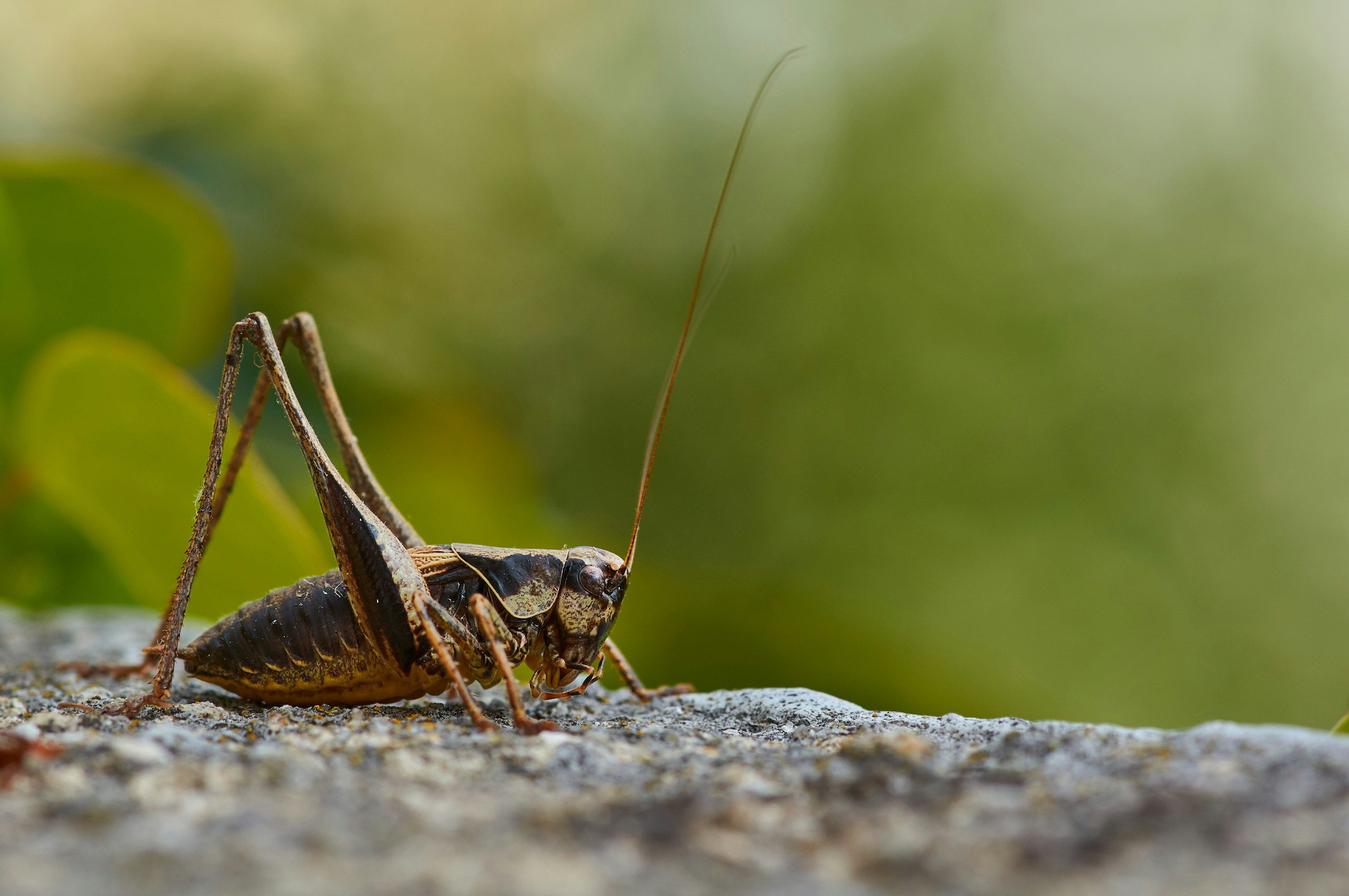
- Crickets / Dubia roaches: Prime candidates for 24–48 h gut-loading; remove uneaten within 15–30 min so they don’t chew on the animal.
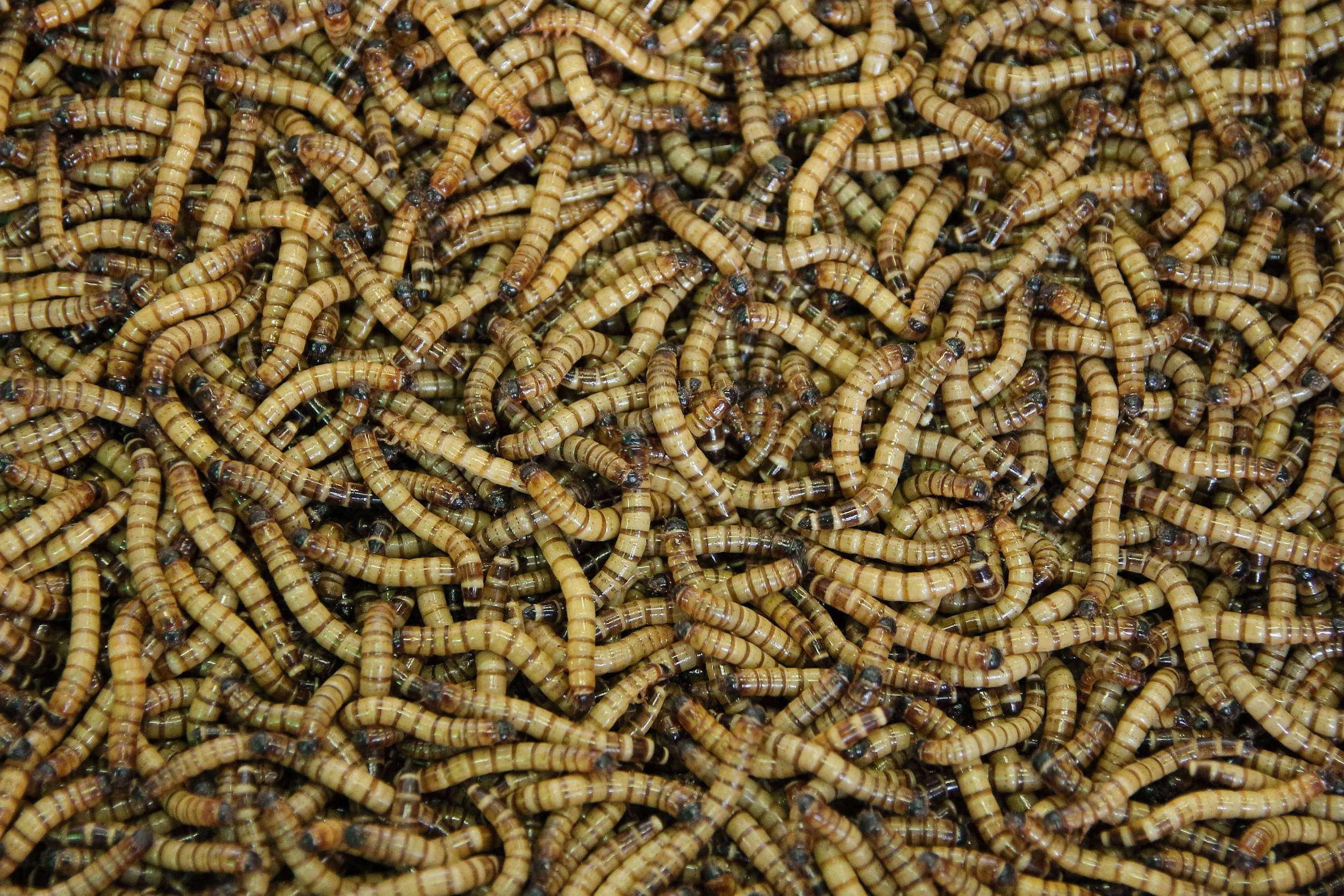
- Mealworms / Superworms: Gut-load 24–48 h; offer in a smooth-sided dish so they can’t burrow immediately.
- Black soldier fly larvae (BSFL): Naturally higher calcium; still safe to dust lightly with plain calcium for consistency, but reduce frequency of Ca+D3.
- Waxworms / Butterworms: Treat as occasional items; higher fat, not staple feeders.
- Amphibians (e.g., frogs): Many programs dust each feeding with Ca (no D3) and add vitamin/mineral on a schedule appropriate to species; avoid over-D3.
7) Hygiene & storage
- Keep dry gut-load in an airtight container; discard if stale or clumped.
- Wash produce; replace daily; remove any moldy pieces immediately.
- Store supplements cool and dry; close lids tightly; replace by expiry (vitamins degrade).
- Use dedicated utensils; wash hands and sanitize surfaces after handling feeders.
8) Troubleshooting
- Feeders ignore gut-load: add a small slice of orange/sweet potato to attract them, but keep portions small.
- Clumpy dusting: your feeders are damp—dry briefly on paper before dusting; use less powder.
- Animal avoids powdery insects: dust lighter; offer fewer at a time; ensure UVB/temps are correct to support appetite.
- Suspect oversupplementation: reduce frequency/amount; switch to plain Ca (no D3) and review UVB quality.