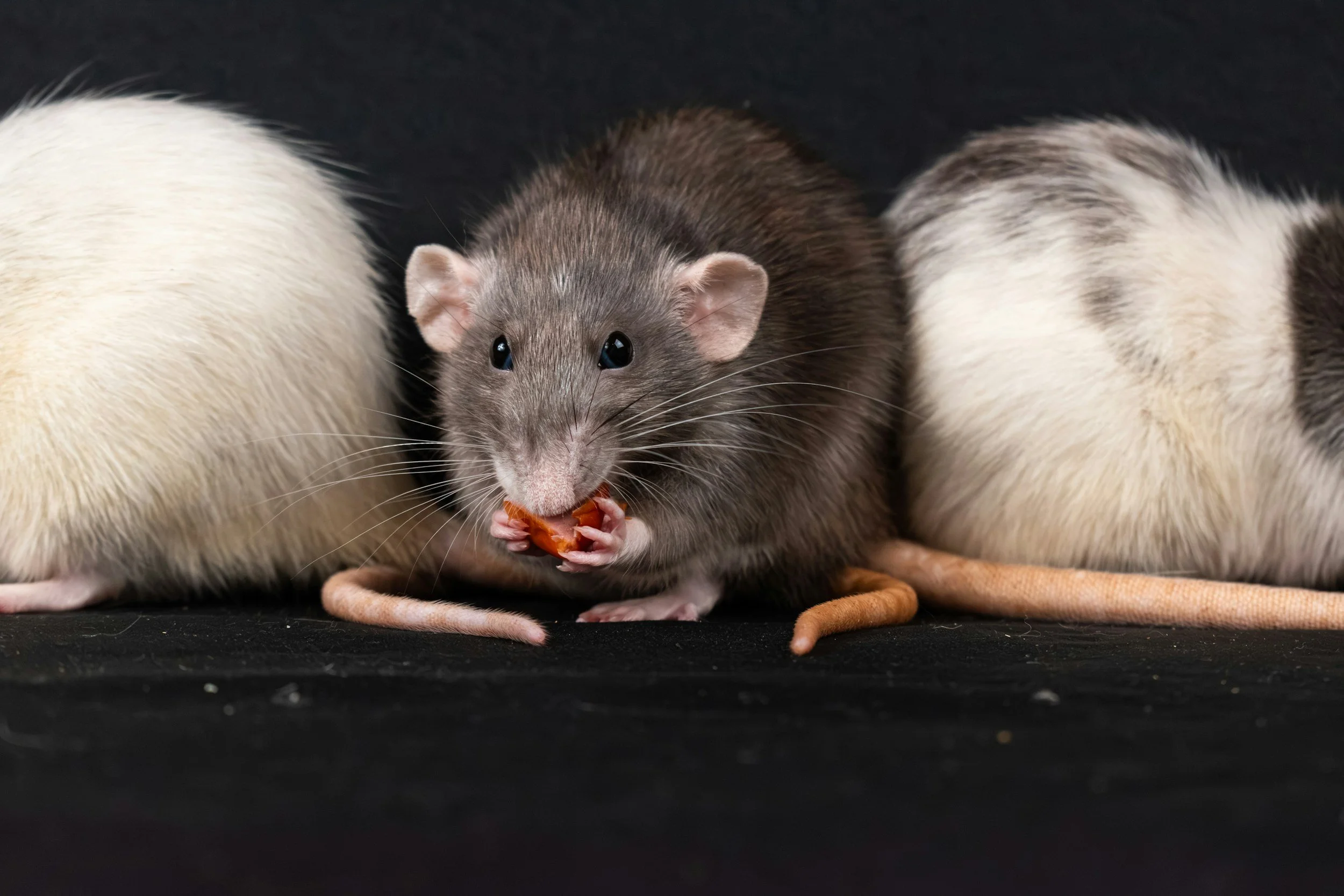
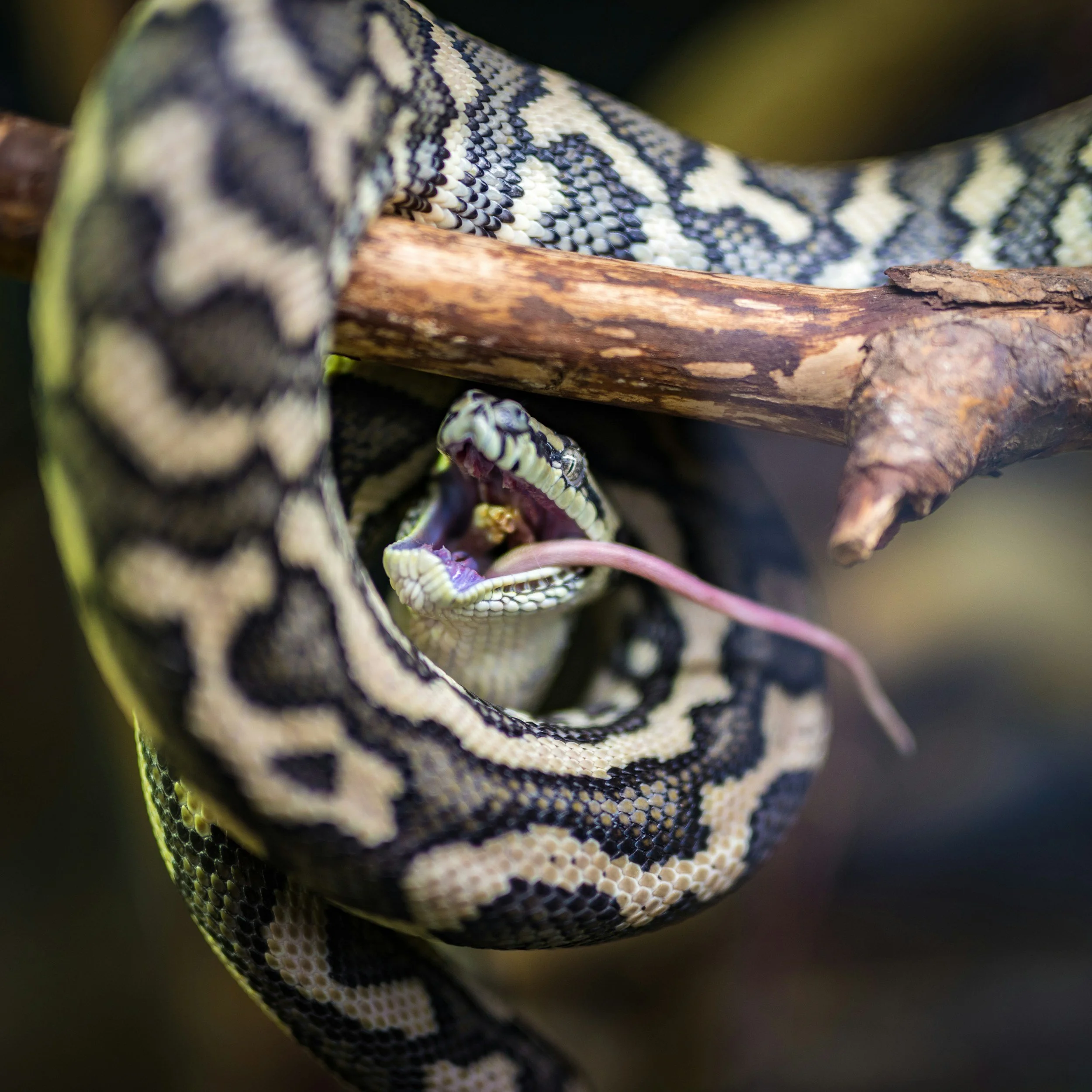
How to Defrost & Feed Frozen/Thawed Rodents (Safely)
Use a clean, no-cook workflow to thaw, warm, and present prey so you avoid burns, bacteria, and substrate ingestion.
1) Choose the correct prey size
- Snakes: prey girth ≈ the animal’s widest body girth (or ~10–15% body mass where applicable).
- Lizards (that take rodents): keep items well within jaw width; err on the small side for juveniles.
When unsure, size down and feed slightly more often rather than risk regurgitation or impaction.
2) Thaw the rodent (no cooking, no microwaves)
- Keep prey sealed. Leave the rodent in a zip bag so it stays clean and dry.
- Preferred: thaw in a refrigerator at 34–40 °F (1–4 °C) overnight (12–24 h).
- Same-day: submerge the sealed bag in cool water; change water every 30–45 min until fully thawed.
- Do not counter-thaw >2 h or use hot tap/boiling water, ovens, or microwaves (unsafe hot spots, partial cooking).
| Prey size | Fridge thaw (guide) | Cool-water thaw (guide) |
|---|---|---|
| Pinky/fuzzy mouse | 6–12 h | 30–60 min (refresh water) |
| Weanling/adult mouse | 12–18 h | 60–120 min (refresh water) |
| Small rat | 18–24 h | 2–3 h (refresh water) |
| Medium/Large rat | 24–36 h | 3–5 h (refresh water) |
3) Warm to feeding temperature (keep sealed until drying)
- Place the sealed, thawed bag into a bowl of warm water ~100–110 °F (38–43 °C).
- Rotate/squeeze gently through the bag so heat distributes evenly; replace water as it cools.
- Target a prey head temperature of ~98–100 °F (37–38 °C) (IR temp gun helpful).
- Remove from the bag and dry thoroughly with paper towels. Damp prey picks up substrate.
4) Offer the meal (safe presentation)
- Use feeding tongs; keep your hand out of strike range.
- Head-first presentation: align limbs/tail to minimize snagging and regurge risk.
- Offer in the enclosure. A slight, natural motion often helps; avoid “shaking.”
- If hesitant: briefly re-warm just the head (bag in warm water 30–60 s) and try again.
- Time limit: if refused after ~15–20 min, re-chill (still sealed) and try once more within 24 h, then discard.
5) Aftercare
- No handling for 24–48 h (species/meal size dependent).
- Confirm basking surface and warm-side ambient are in range for digestion.
- Remove uneaten prey promptly to prevent spoilage/contamination.
6) Storage & hygiene
- Source from reputable suppliers; keep prey frozen at 0 °F / −18 °C or colder; label by size and date.
- Use dedicated tools/board; wash hands and sanitize prep areas after use.
- Do not refreeze warmed prey. If only fridge-thawed and kept ≤24 h at 34–40 °F, you may re-chill once; otherwise discard.
7) Troubleshooting reluctant feeders
- Warm the head a touch hotter than the body (still safe to the touch).
- Scenting (last resort): used bedding; tiny chick/fish scent if species-appropriate.
- Reduce stress: dim room, limit traffic, ensure hides; try at dusk for crepuscular/nocturnal species.
- Size down one step or split items for small juveniles.