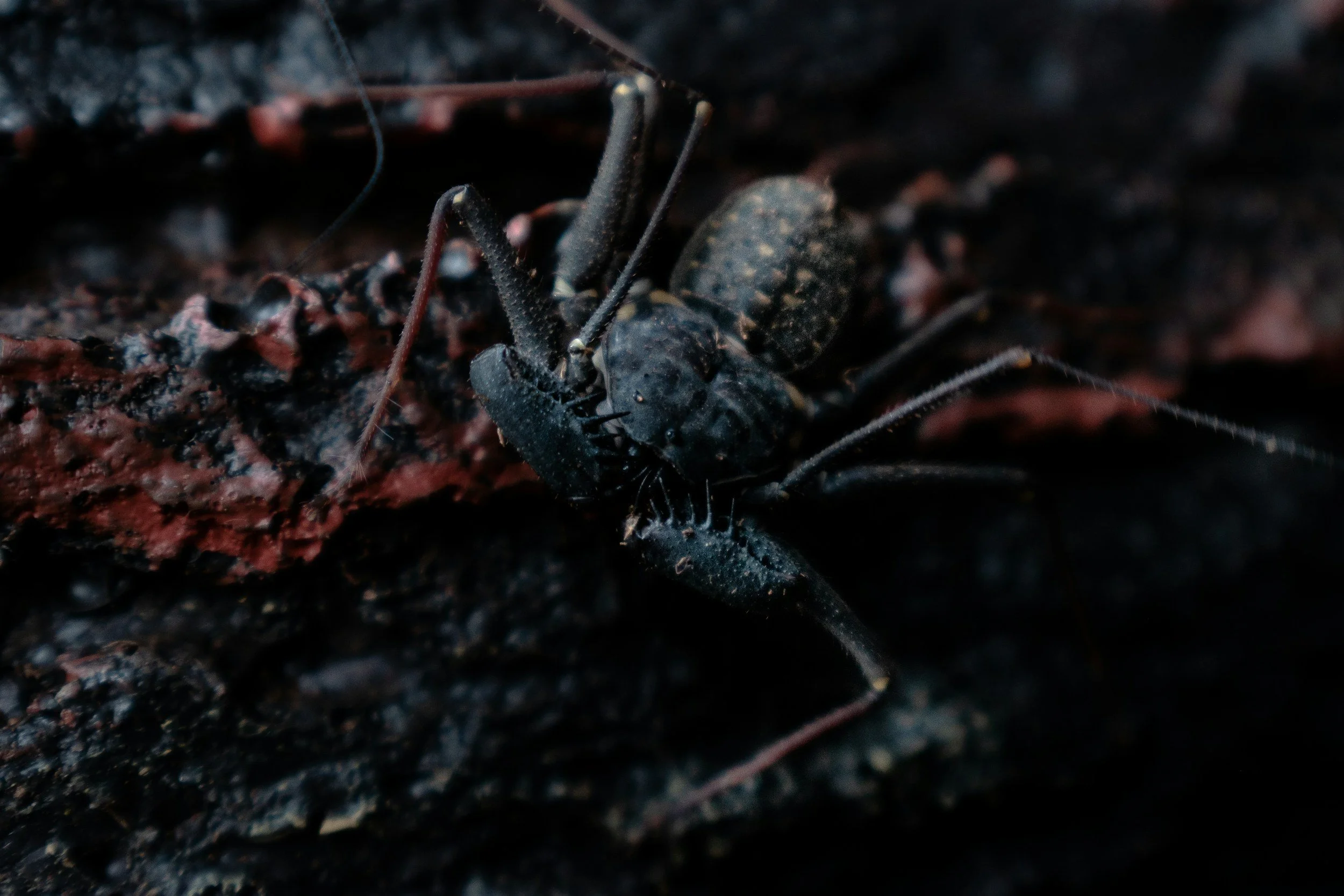
Tailless Whip Scorpion (Whipspider)
Order Amblypygi - (e.g., Damon diadema / Damon medius (giant species)
Updated: September 2025
Quick Facts
COMMON NAME: Tailless Whip Scorpion (Whipspider)
SCIENTIFIC: Amblypygi (e.g., Damon diadema / D. medius)
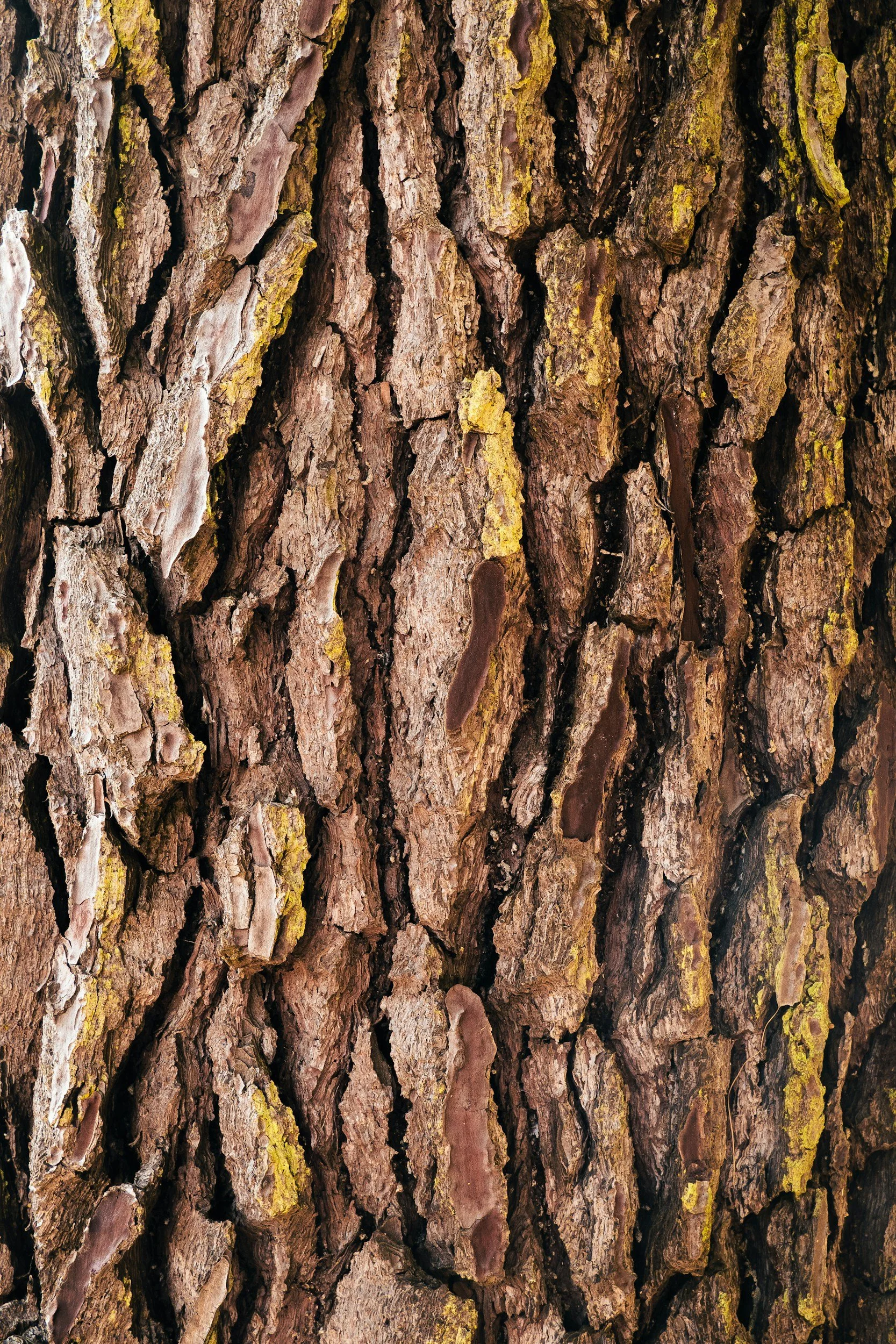
TYPE: Arboreal, nocturnal; fragile, non-venomous
ADULT SIZE: Body ~2" (5 cm); legspan ~10–15" (giant Damon)
LIFESPAN: ♀ up to ~20 yrs; ♂ ~5–10 yrs (species-dependent)
TEMPERAMENT : Shy, delicate; handle minimally (catch-cup only)
ADULT ENCLOSURE: Vertical; ~12×12×18" (30×30×45 cm) or larger
SUBSTRATE: Bottom ~1/3 filled; lightly moist, never soggy
TEMPERATURE: ~70–78 °F (21–26 °C)
HUMIDITY: ~65–80% with good cross-ventilation
WATER: Shallow dish; mist walls lightly for droplets
FEEDING: Slings 2×/wk; juv every 7–10 d; adults ~every 3 wks (adjust to abdomen)
HOUSING: Best singly; cautious communal only with space/hides/food
-
• Orientation — Arboreal, vertical build. Aim ~12×12×18" or larger for a single adult; bigger = easier gradients and molting space.
• Climbing surfaces — Provide a full cork back or tall cork slabs/branches; they must have rough, vertical texture to cling to (especially for molts).
• Substrate — Fill the bottom ~1/3 with a lightly moist mix (e.g., bioactive/soil/coco). Keep lower layers damp, surface mostly dry.
• Ventilation — Strong cross-ventilation to avoid stale, wet air; keep humidity via moist substrate + water dish (not a sealed swamp).
• Security — Tight-fitting doors/lid; they’re flat and can squeeze through gaps.
• Cohab — Possible for some Damon spp. only in roomy, cluttered enclosures with many hides and regular feeding; otherwise keep singly.
-
• Temperature — Keep ~70–78 °F (21–26 °C); mild night drops are fine if days return to range.
• Humidity — Target ~65–80% with fresh airflow. Let lower substrate hold moisture; mist lightly for droplets; never swampy.
• Water — Always provide a shallow dish.
-
• Day/night — Provide a 12-hour light cycle (no bright, hot lights).
• UVB — Not required. Ambient room light is enough; avoid direct sun heating the enclosure.
-
• Tall cork bark (half-round preferred), branches, and plants (live or artificial) for cover and anchor points.
• Leave open vertical “lanes” so they can maneuver their antenniform legs.
• Secure heavy décor; they’re delicate and molt hanging upside down.
-
• Prey — Live inverts sized appropriately (fruit flies/tiny crickets for slings; small/med crickets or roaches as they grow). Remove leftovers within 24 h.
• Schedule — Slings: twice weekly. Juveniles: every 7–10 days (2–3 small/med items). Adults: about every 3 weeks (2–3 large crickets or one Dubia).
• Post-molt — Wait: slings 24–48 h; juveniles 3–7 d; adults 5–10 d, until the exoskeleton hardens.
• Body-condition rule — If abdomen is thinner than carapace width: feed a bit more; if much wider: feed less to avoid molting issues.
-
• Mix — Bioactive/soil/coco (airy but holds moisture); add leaf litter & bits of sphagnum in corners.
• Depth — Bottom ~1/3 full so humidity rises from below; surface not waterlogged.
-
• Best practice — Observe, don’t handle. They’re very delicate and can drop/fall.
• If moving is necessary — Use a catch-cup; coax gently from behind cork.
• Behavior — Nocturnal, shy; non-venomous and harmless but easily stressed.
-
DAILY: Check water dish, remove feeders/leftovers; verify ventilation.
WEEKLY: Wipe panels; tidy plants/cork; lightly re-moisten a corner if dry.
AS NEEDED: Refresh substrate sections; keep airflow strong to prevent mold.
-
• Dehydration — Shriveled abdomen, lethargy: ensure dish is full, humidity stable, and airflow fresh (not sealed).
• Bad molt — Often linked to insufficient vertical grip or poor hydration/airflow; correct setup and avoid disturbance around molts.
• Mites/mold — Improve ventilation; spot-clean; replace affected substrate.
• Refusal to eat outside premolt or repeated daytime surface-sitting can signal husbandry issues.
-
• Laws — Collection/possession of natives varies by state/country; verify before collecting or selling. Never release captives outdoors.
• Safety — Non-venomous; bites aren’t a concern, but they’re fragile. Wash hands after enclosure work.
-
□ Vertical enclosure (~12×12×18" or larger) with strong cross-ventilation
□ Full cork back or tall cork slabs/branches (rough texture for molting/climbing)
□ Substrate to fill bottom ~1/3 (bioactive/soil/coco + leaf litter; light sphagnum)
□ Shallow water dish; fine-mist sprayer (for light wall droplets)
□ Live feeders by size (fruit flies → small/med crickets/roaches); feeding tongs; catch-cup
□ Basic cleaning kit (paper towels, reptile-safe disinfectant)